
Not bad for a casual.
Forty-five minutes a night, a job in the morning and a gear score that is honest about it. This is what a normal evening in World of Warcraft really looks like.
The honest scoreboard
Small numbers, kept truthfully

45
min
average evening session

3
×
weekly attempts at one stubborn boss

12
+
characters started, few finished

9
+
wipes on a really good night
01
Show up
Even when the plan is only to log in for twenty minutes.
02
Try the thing
One attempt at something slightly above my level.
03
Write it down
Short notes on what worked, what wiped and what I would skip.
04
Log off on time
Because tomorrow still starts early.
Who is playing
Average player, honest notes.
A normal job, a normal schedule and a game that keeps offering more than one evening can hold. I stopped apologizing for that and started writing it down.

Robin Martinez
Casual, on purpose
Want to compare notes?

Why casual
Slow progress is still progress.
Most players do not have a six-hour raid night. They have forty-five minutes, a tired brain and a to-do list, and that is a perfectly good way to play.
So the notes here are short, the goals are small and the failures stay in. If something works in forty-five minutes, it probably works for you too.
The four corners
What goes in the logbook

Dungeons
Short runs that fit a lunch break and a bad mood.
Raids
Normal difficulty, no regrets and plenty of wipes.

Alts
Characters I abandoned and the few that stuck.
Gear
Small upgrades and the slow climb of item level.
Recent attempts
The newest entries from the tally
-
Why Smart Gamers Buy WoW Boost Options to Guarantee Top Weekly Great Vault Rewards
Read More: Why Smart Gamers Buy WoW Boost Options to Guarantee Top Weekly Great Vault Rewards -
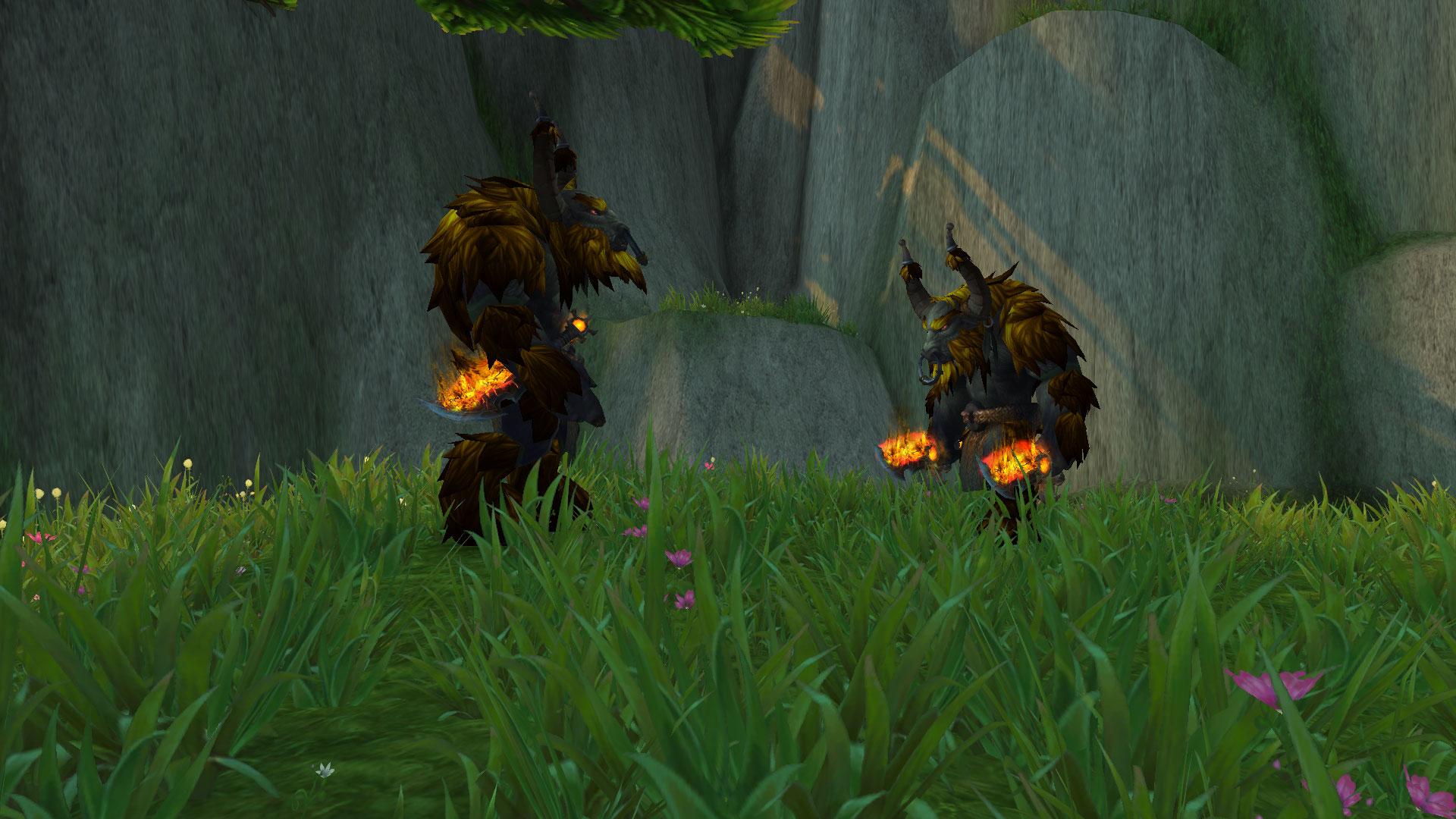
Finding the Hidden Treasury in World of Warcraft Pandaria Lesser Charms of Good – Quick Reference Guide
Read More: Finding the Hidden Treasury in World of Warcraft Pandaria Lesser Charms of Good – Quick Reference Guide -

The Frozen Throne’s Dark Master: The Birth of the Lich King and Ner’zhul’s Deception
Read More: The Frozen Throne’s Dark Master: The Birth of the Lich King and Ner’zhul’s Deception
Gold per Hour: An Honest Tally Before You Buy WoW Forever Gold
Why I keep a scoreboard
Feelings about gold are unreliable. I feel poor after a bad repair bill and rich after one lucky drop, and neither feeling matches reality. So I keep a plain scoreboard, one line per session, and let the numbers argue with my moods.
This entry shows how I track gold per hour and how that tally informs one decision: whether it ever makes sense to pay for gold.
I am a numbers person by nature, so a scoreboard suits me. If it bores you, keep it even simpler. A single line at the end of each session is plenty, and you can skip anything that feels like homework.
The point is not precision. The point is replacing guesses with a rough, honest record you can look at after a few weeks.
The columns I track
Keep it simple, or you will abandon it by Thursday:
A spreadsheet works, and so does a notebook. The format matters less than the habit.
I add a short notes column for surprises, like a rare drop or an unexpected price spike. Those notes explain outliers later and stop me from over-trusting a fluke.
Review the sheet once a week, not every night. Daily review turns a helpful habit into obsession.
- Date and activity, such as farming, questing, or gathering.
- Minutes played, rounded to the nearest five.
- Gold at start and gold at end.
- Items kept for sale, valued at a conservative price.
- Spending on repairs, travel, and consumables.
Calculating the honest number
Net gold gained, plus the sensible value of items you still hold, minus what you spent, divided by hours played. Use conservative prices for goods you have not sold yet, because the auction house is not guaranteed to pay list price.
Do not include time spent waiting in queues or chatting. Count only active farming. Otherwise you flatter yourself and the comparison becomes meaningless.
A worked example in plain terms: if you start with a small sum, end with a larger one, hold items worth a modest amount, spend a little on repairs, and played for ninety minutes, you subtract the costs, add the held items, and divide by one and a half. The result is your rate for that session.
Repeat that a dozen times across different activities and the average becomes meaningful. Before that, it is trivia.
What the tally usually shows
Over a few weeks, patterns appear. Some routes look exciting but lose money to repairs and consumables. Gathering while you level tends to look boring and quietly wins. Your number will differ from mine, which is the point: it measures your play, not a forum guess.
I never trust one session. Look at a week or more, since luck skews short samples badly.
The most common surprise is how much time disappears into travel and selling. Routes that look fast on paper lose their edge once you add the walk to a vendor and the wait to relist auctions.
Another surprise is variance. Your best session may be three times your worst. Quote the average, not the highlight.
Turning it into a target
Once you have a rate, convert goals into hours. If a mount costs a certain amount and your tally says you earn roughly a known figure per hour, divide. The result is a number of evenings you can plan around, or avoid.
That is where the scoreboard earns its place. A goal that looks impossible might be four enjoyable evenings, and one that looks easy might be forty.
Set targets as ranges, not exact dates. A range like three to five evenings is more honest and more motivating than a promise that you will finish by Friday.
Also split large targets into milestones. Gold earned in smaller steps is easier to track, and each milestone gives you a natural point to reassess whether the goal still matters.
Where outside gold enters the ledger
If the divided number is larger than your free time, some players consider a purchase as a time trade. You could Buy WoW Forever Gold for a single, defined goal and record it in the ledger as what it is: an expense, not income. Compare the price against the hours it saves, and also against the cost of a failed or fraudulent deal.
Use a seller with clear terms and protected payment, never hand over your login, and be skeptical of unusually low prices. Keep receipts the way you would for any purchase.
The risk column nobody fills in
Blizzard’s terms forbid buying gold from third parties. Penalties can include restrictions or a ban, and that cost belongs in your tally even though it has no price. Ask what your account is worth to you in hours, and compare it honestly.
If the answer is hundreds of hours, a purchase is probably a bad trade no matter how good the rate looks.
Reading the final score
My conclusion after months of entries: the cheapest gold is the gold I have already measured how to earn. Most targets turned out to be a handful of sessions once I knew my rate. Buying would only make sense for a rare, specific goal with a hard deadline.
Start your own scoreboard this week. Even two columns, minutes and gold, will tell you more than a month of guessing.
One last caution. A scoreboard can make play feel like work if you are not careful. If it starts to drain the fun, put it away for a week. The game is supposed to be a hobby, not an audit.